Pokémon Card Rarity Symbols, Explained
In short
- The rarity symbol sits along the bottom edge of the card, next to the collector number.
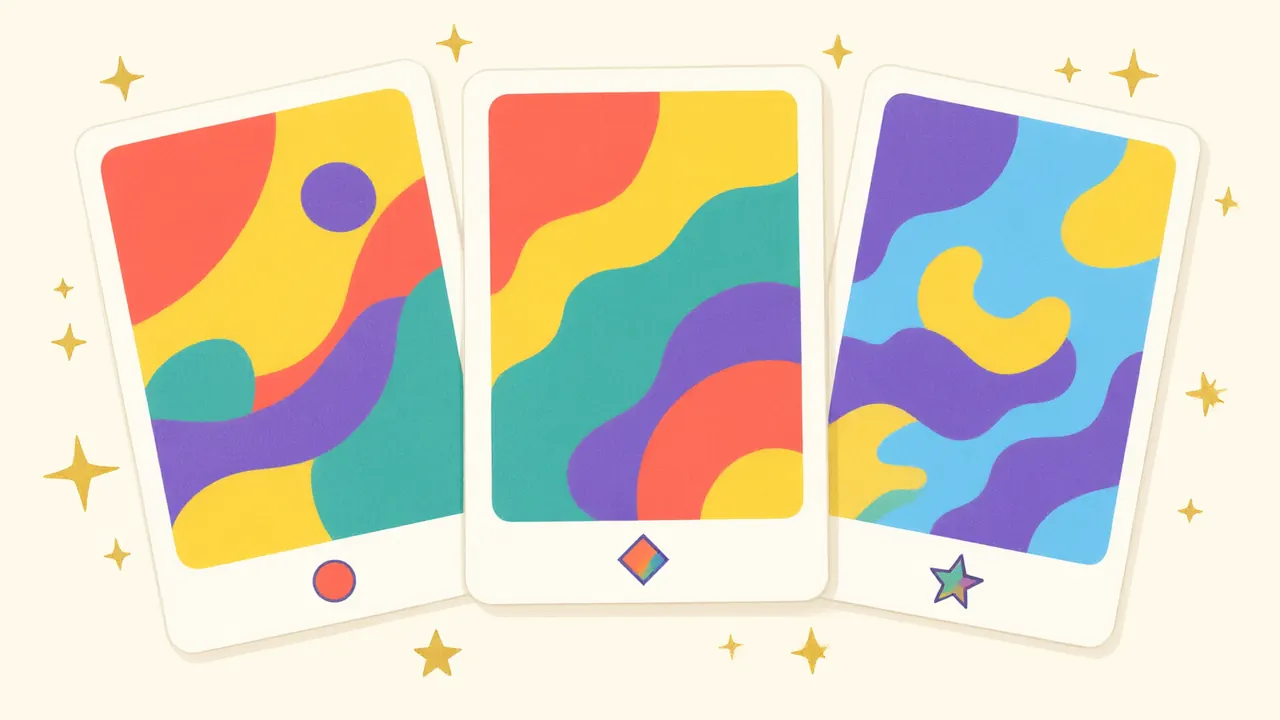
- A circle means common, a diamond means uncommon, and a star means rare.
- In Scarlet & Violet-era sets, extra stars and gold stars mark the rarest cards.
Every Pokémon card tells you how rare it is. You just have to know where to look.
Here's how to read the symbols, the numbers and the shine, so you can sort a fresh stack of pulls in minutes.
Where to find the rarity symbol
Look along the bottom edge of the card, near the collector number. On recent cards, a small symbol sits right next to that number.
That symbol is the card's official rarity. It's the quickest way to sort a pile, because it doesn't depend on how shiny the card looks.
The basic three
- ● Circle: common. Most of every pack.
- ◆ Diamond: uncommon. A step up, still easy to find.
- ★ Star: rare. Every booster pack has at least one rare or better.
Stars for the big pulls
Scarlet & Violet-era sets, like Paldea Evolved, Obsidian Flames, Paradox Rift and Temporal Forces, use extra stars and colors to mark their top rarities:
- Two black stars: Double Rare, usually a Pokémon ex.
- Two silver stars: Ultra Rare, the full-art cards.
- One gold star: Illustration Rare, where the artwork fills the whole card.
- Two gold stars: Special Illustration Rare, the showpiece art cards.
- Three gold stars: Hyper Rare, the gold cards.
Older sets work a little differently. Crown Zenith, for example, comes from the Sword & Shield era and has its own Galarian Gallery subset of special art cards.
The number in the corner
Next to the rarity symbol you'll find the collector number, written like 045/198. The first number is the card's place in the set, and the second is the size of the main set.
When the first number is bigger than the second, like 210/198, you've found a "secret rare." Those cards sit beyond the main set list, and they're usually among the hardest to pull.
You'll also see a short set code and a small letter in a box. That letter is the regulation mark, which tells players whether a card is legal in the current Standard format.
Holo, reverse holo and full art
Shine is a separate thing from rarity, and it's easy to mix the two up.
- Holo: the picture box has a shiny, foil finish.
- Reverse holo: everything except the picture is shiny. Most packs include at least one.
- Full art: the artwork covers the whole card, edge to edge.
A reverse holo of a common card is still a common. Check the symbol, not just the sparkle.
What rarity doesn't tell you
Rarity tells you how hard a card is to pull, not what it's worth. Demand, the Pokémon on the card, the artwork and condition all play a part.
Condition matters more than most new collectors expect. Centering, sharp corners, clean edges and a scratch-free surface all count, so protect your best pulls right away.
Our guide to storing and protecting your cards covers exactly how.